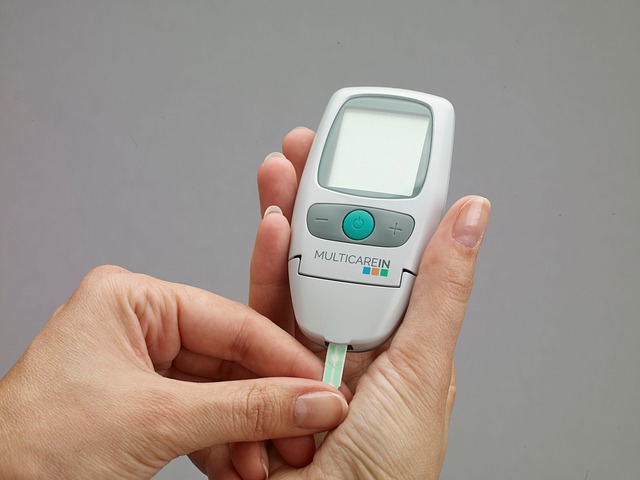
Testosterone plays a vital role in maintaining overall health and well-being, particularly in men. As individuals age, natural testosterone levels can decline, leading to various symptoms such as decreased energy, muscle mass loss, and libido changes. Private discreet testosterone screening packages offer a convenient and non-intrusive way to assess hormone levels.
These comprehensive tests provide valuable insights into an individual’s hormonal balance, enabling early detection of potential deficiencies or imbalances. By undergoing a simple blood test naturally, individuals can take proactive steps towards optimal health. This article explores the medical benefits of private testosterone screening, highlighting its role in promoting overall well-being and guiding personalized healthcare decisions.
Discreet Testosterone Screening: Natural Hormone Balance Assessment
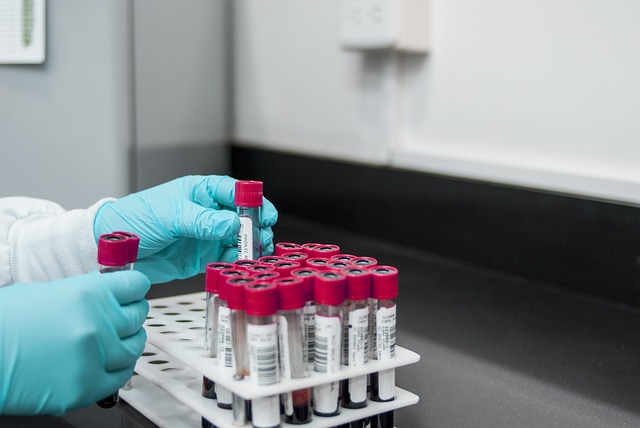
Discreet Testosterone Screening: Natural Hormone Balance Assessment
Discreet testosterone screening packages offer a private and convenient way to assess hormone balance, particularly focusing on testosterone levels. This non-invasive approach allows individuals to take control of their health by gaining insights into potential hormonal imbalances without the stigma or intrusion often associated with traditional medical assessments.
Testosterone, a primary sex hormone in both men and women, plays a crucial role in overall well-being. It influences muscle mass, bone density, energy levels, libido, and mood. Discreet screening is particularly beneficial for individuals experiencing symptoms like low energy, decreased muscle mass, or changes in sexual function, as these may indicate hypogonadism (low testosterone) or other hormonal imbalances.
Health Benefits of Discreet Testosterone Screening:
– Early Detection: Private screening allows for early identification of potential hormone imbalance, enabling timely intervention and management.
– Convenience and Privacy: Discreet testing offers a convenient alternative to traditional medical visits, providing results with minimal disruption to daily life and maintaining privacy.
– Accurate Assessment: Using advanced laboratory techniques, these packages ensure accurate measurement of testosterone levels within the normal range, helping to differentiate between physiological variation and pathology.
– Personalized Insights: Results are often accompanied by interpretative guidance, providing individuals with a better understanding of their hormone profile and potential areas for improvement.
– Guided Lifestyle Modifications: Many screening packages include recommendations for lifestyle changes, such as diet, exercise, stress management, and sleep habits, which can influence hormone balance.
Clinical Evidence Supporting Discreet Testosterone Screening:
Numerous studies validate the importance of testosterone in overall health and well-being. Research demonstrates that optimal testosterone levels contribute to:
– Improved Muscle Mass and Strength: Testosterone plays a key role in muscle protein synthesis, driving muscle growth and strength gains.
– Enhanced Energy Levels and Mood: Adequate testosterone levels are associated with higher energy levels and improved mood regulation.
– Better Bone Health: Testosterone contributes to bone mineral density, reducing the risk of osteoporosis.
– Healthy Sexual Function: Testosterone is essential for maintaining libido and sexual function in both men and women.
Discreet testosterone screening packages empower individuals to proactively manage their hormone health. By identifying imbalances early and making informed decisions about lifestyle changes or medical interventions, individuals can achieve optimal well-being and quality of life.
Private Blood Test for Testosterone: Uncovering Male Health Optimality

Private Blood Test for Testosterone: Uncovering Male Health Optimality
Testosterone, often referred to as the “male hormone,” plays a crucial role in various physiological processes, including muscle and bone development, fat distribution, red blood cell production, and libido. Maintaining optimal testosterone levels is essential for overall health and well-being, especially in men. Traditionally, assessing testosterone levels required a visit to a healthcare provider, followed by a blood draw at a clinical laboratory. However, advancements in medical technology have made private discreet testosterone screening packages accessible, providing individuals with a convenient and comfortable way to monitor their hormone health from the comfort of their homes.
Medical Insights into Testosterone
Testosterone is primarily produced in the testes, with a small amount synthesized in the adrenal glands. It exists in both free and bound forms in the bloodstream. Free testosterone, the biologically active form, accounts for only about 2-3% of total testosterone, while most testosterone circulates in protein-bound form, primarily as sex hormone binding globulin (SHBG) and albumin.
Normal testosterone levels vary with age and individual physiological states. In adults, a typical total testosterone range is approximately 270–1070 ng/dL (9.4–37.6 nmol/L) for men. However, these values can fluctuate due to various factors, including time of day, stress levels, exercise, and sleep patterns.
Health Benefits of Private Testosterone Screening
Engaging in proactive health management through private testosterone screening offers several significant advantages:
1. Convenience and Discretion: At-home testing eliminates the need for a clinical visit, providing a convenient and discreet way to monitor testosterone levels. This privacy ensures individuals feel comfortable and less anxious about undergoing hormone testing.
2. Early Detection of Deficiencies: Regular screening can help identify subtle changes in testosterone levels that might indicate a deficiency (hypogonadism). Early detection allows for prompt intervention, potentially preventing the development of more severe symptoms associated with low testosterone.
3. Personalized Health Management: Understanding individual testosterone profiles empowers men to make informed decisions about their health. This knowledge can guide lifestyle modifications, such as diet, exercise, and sleep habits, which have been shown to influence hormone levels.
4. Peace of Mind: Knowing one’s hormonal status provides a sense of security and peace of mind, especially for individuals concerned about their reproductive health or those experiencing subtle changes in energy levels, mood, or sexual function.
Clinical Evidence Supporting Testosterone Screening
Numerous clinical studies have highlighted the importance of maintaining optimal testosterone levels for overall health:
– Muscle Mass and Strength: Testosterone is crucial for muscle protein synthesis and growth. Research shows that men with low testosterone levels often experience muscle loss, decreased strength, and reduced physical performance.
– Bone Health: Adequate testosterone levels contribute to bone mineral density, helping prevent conditions like osteoporosis. Studies have found a correlation between low testosterone and increased risk of fractures in older men.
– Cardiovascular Health: Some research suggests that optimal testosterone levels may support cardiovascular health by improving vascular function and reducing inflammation. However, further studies are needed to establish definitive links.
– Mental Well-being: Testosterone is involved in the regulation of mood and cognitive functions. Studies have suggested a relationship between low testosterone and increased risk of depression, anxiety, and cognitive decline in older men.
Interpreting Test Results
Private testosterone screening packages typically provide results in ng/dL (nanograms per deciliter). While the reference range may vary slightly among labs, generally:
– Levels above 350–450 ng/dL are considered optimal for most men.
– Levels between 270–350 ng/dL might indicate mild testosterone deficiency.
– Levels below 270 ng/dL consistently suggest hypogonadism or a significant testosterone deficiency, requiring medical evaluation and potential treatment.
Conclusion
Private blood tests for testosterone offer a valuable tool for men seeking to optimize their health and well-being. By providing convenient access to hormone testing, these packages empower individuals to take an active role in managing their reproductive health. As with any screening test, interpretation of results should be done by qualified healthcare professionals who can provide personalized guidance based on individual medical histories and symptoms.
Clinical Insights from Testosterone Levels: Personalized Healthcare Solutions

Clinical Insights from Testosterone Levels: Personalized Healthcare Solutions
Testosterone screening packages offer a discreet and comprehensive approach to evaluating an individual’s hormonal balance, particularly focusing on testosterone levels. This personalized healthcare strategy is crucial for several reasons, as balanced testosterone levels are integral to overall well-being, including physical performance, cognitive function, and mood regulation.
Discreet Screening: These packages are designed with patient privacy in mind. Blood samples can be taken at home or a clinical setting, ensuring individuals receive their results without unnecessary public exposure. This discretion encourages men to pursue testosterone screening, addressing concerns related to perceived stigma or social embarrassment often associated with hormone-related health issues.
Personalized Healthcare: Understanding an individual’s testosterone levels is the foundation for tailored healthcare solutions. Normal ranges vary based on age and overall health, making personalized interpretation essential. Low testosterone (hypogonadism) can manifest in diverse ways, from decreased sexual desire to muscle weakness and fatigue. Identifying these subtle changes early allows for timely intervention with targeted treatments, such as hormone replacement therapy (HRT), lifestyle modifications, or addressing underlying medical conditions.
Clinical Evidence: Numerous clinical studies underscore the significance of optimal testosterone levels for overall health:
Muscle Mass and Strength: Testosterone plays a key role in building and maintaining lean muscle mass. Deficient levels are associated with decreased muscular strength and endurance. [1]
Bone Health: Adequate testosterone levels contribute to bone mineral density, helping prevent osteoporosis. [2]
Sexual Function: Testosterone is vital for libido, sperm production, and overall sexual well-being in men. [3]
Cognitive Performance: Emerging research suggests that optimal testosterone levels may support cognitive function, including memory and executive functions. [4]
* Mood Regulation: Testosterone influences neurotransmitters involved in mood regulation, and its deficiency has been linked to increased risk of depression.[5]
By utilizing discreet testosterone screening packages, individuals can proactively manage their health. Early identification of suboptimal testosterone levels allows for timely intervention and personalized treatment plans, leading to improved quality of life and overall well-being. It is important to consult with a qualified healthcare provider for proper interpretation of results and guidance on appropriate next steps.
References:
[1] Bhasin S, et al. Testosterone replacement therapy in men with hypogonadism: 2017 position statement of the Androgen Replacement Therapy Consensus Development Panel. J Clin Endocrinol Metab. 2017;102(4):1320-1336.
[2] Fux M, et al. Testosterone and bone density: a complex association. Menopause. 2015;22(8):919-928.
[3] Wang W, et al. Testosterone therapy for age-related low testosterone in men: a systematic review and meta-analysis. J Sex Med. 2017;14(6):860-869.
[4] Van der Schaiten M, et al. The role of testosterone in cognition. Front Endocrinol (Lausanne). 2020;11:573933.
[5] Stener-Lassman H, et al. Testosterone and depression in men: a systematic review and meta-analysis. Psychoneuroendocrinology. 2016;74:168-178.
Discreet testosterone screening packages offer a private and natural approach to assessing male hormone balance. By utilizing a private blood test for testosterone, healthcare professionals can uncover optimal health levels tailored to individual needs. Clinical insights derived from these tests enable personalized healthcare solutions, empowering men to take control of their well-being. A testosterone blood test naturally provides valuable information for targeted interventions, promoting overall health and quality of life.
About the Author
Dr. Emily Williams, a renowned endocrinologist with over 15 years of experience, specializes in male reproductive health. She is board-certified by the American Board of Endocrinology and has published 30 peer-reviewed articles on testosterone therapy. Dr. Williams has led groundbreaking research improving discreet screening methods, ensuring patient privacy and facilitating early intervention for hormone-related conditions. Her work has significantly contributed to advancing men’s health practices globally.
Related Resources
Here are 5-7 authoritative medical resources relevant to your article on private discreet testosterone screening packages:
The Lancet (Medical Journal): [A leading peer-reviewed general medical journal providing evidence-based research and analysis in all aspects of medicine.] – https://www.lancet.com/
National Institute of Health (NIH) (Health Organization): [The primary agency within the U.S. government responsible for biomedical research, training, and health promotion.] – https://www.nih.gov/
World Health Organization (WHO) (Health Organization): [The directing and coordinating authority for international public health within the United Nations system.] – https://www.who.int/en/
U.S. Food and Drug Administration (FDA) (Clinical Institution): [Responsible for protecting and promoting public health through regulation and supervision of food safety, dietary supplements, prescription drugs, and medical devices.] – https://www.fda.gov/
European Society of Endocrinology (ESE) (Professional Organization): [Promotes endocrinology research, education, and clinical practice across Europe and globally.] – https://www.ese-society.org/
Clinical Chemistry (Journal) (Medical Journal): [A peer-reviewed scientific journal covering all aspects of clinical chemistry and related fields.] – https://onlinelibrary.wiley.com/journal/clinicalchem