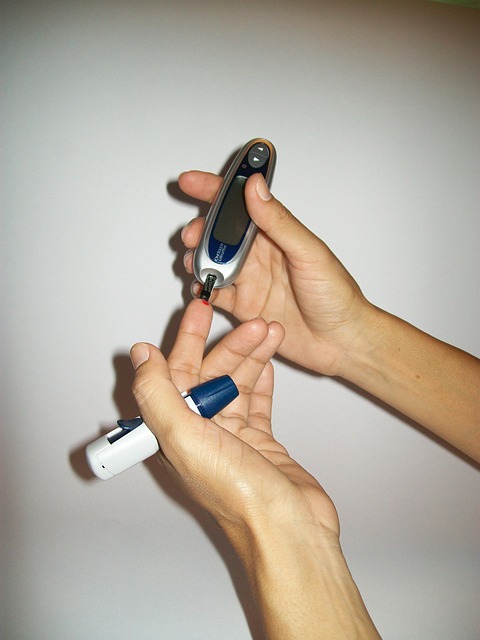
Testosterone is a crucial hormone for both men and women, playing a vital role in overall health and well-being. As we age, natural testosterone levels can decline, leading to various symptoms such as decreased energy, muscle mass, and libido. Understanding your testosterone levels through accurate testing is essential for personalized healthcare. Our late-night testosterone testing services offer convenience without compromising on medical precision. This article delves into the clinical context, benefits of testing, and provides insights into managing and optimizing testosterone levels naturally through a safe and comprehensive approach.
Understanding Testosterone Levels: Natural Blood Test Guide
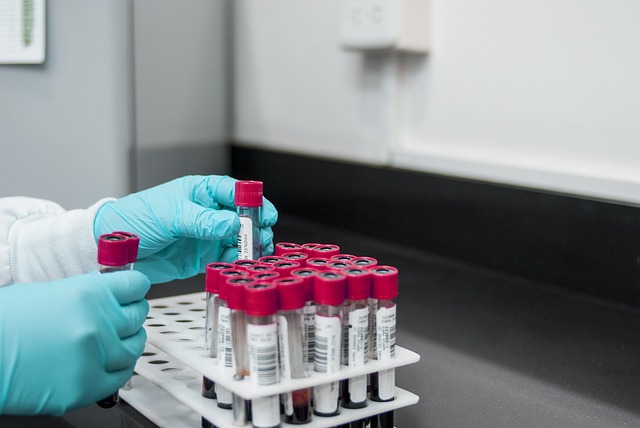
Understanding Testosterone Levels: Natural Blood Test Guide
Testosterone is a crucial hormone for both men and women, playing a vital role in various physiological processes including muscle growth, bone density maintenance, and sexual development and function. Monitoring testosterone levels through natural blood tests is an essential tool for assessing reproductive health, diagnosing hormonal imbalances, and guiding personalized treatment plans. This guide provides insights into the significance of testosterone testing, its clinical applications, and accessible options for those seeking convenient and open-late services.
The Importance of Testosterone
Testosterone, primarily produced by the testes in males and ovaries with decreasing amounts in females, serves as the primary sex hormone in both genders. It exerts wide-ranging effects on the body:
– Muscle and Bone Health: Testosterone promotes muscle growth and strength, contributing to overall physical performance and bone density maintenance, which is crucial for preventing osteoporosis.
– Sexual Function: This hormone plays a central role in libido, erections, and sperm production in men. In women, it influences sexual desire and contributes to vaginal lubrication.
– Energy and Mood: Testosterone levels can impact energy levels and overall mood, with deficiencies potentially leading to fatigue and depression.
Natural Blood Testing for Testosterone
A blood test is the most common and reliable method for assessing testosterone levels. This non-invasive procedure involves drawing a small sample of blood, typically from a vein in the arm, allowing for accurate measurement of total testosterone concentration.
Clinical Applications:
– Diagnosing Hypogonadism: Low testosterone (hypogonadism) can result from various conditions including age-related decline, testicular injuries, or hormonal imbalances. Blood testing helps confirm the diagnosis and guide treatment decisions.
– Monitoring Treatment Effectiveness: For individuals undergoing hormone replacement therapy (HRT) for low testosterone, regular blood tests are essential to monitor treatment effectiveness and adjust dosages accordingly.
– Reproductive Health Management: Testosterone levels can provide valuable insights into reproductive health in both men and women, aiding in fertility assessments and managing conditions like polycystic ovary syndrome (PCOS).
Open-Late Testosterone Testing Services
For individuals with busy schedules or non-conventional work hours, accessing testosterone testing services that cater to their needs is essential. Many healthcare providers now offer convenient options, including:
– Urgent Care Clinics: Some urgent care centers provide comprehensive laboratory services, including testosterone blood tests, with extended hours, making them ideal for unexpected or urgent testing needs.
– Walk-in Laboratories: Independent laboratories often operate on flexible schedules, allowing patients to drop in for blood draws without appointments.
– Telehealth and at-home testing: With advancements in telemedicine, some healthcare providers offer remote consultations and even at-home testosterone test kits, providing additional options for those who prefer or require greater flexibility.
Interpretating Test Results
Understanding the laboratory reference ranges is crucial when interpreting testosterone test results. These ranges can vary slightly between labs and may be influenced by factors like age and gender:
– Total Testosterone: Typically measured in nanograms per deciliter (ng/dL), optimal levels generally fall within a specific range for each gender. For men, this often ranges from 300 to 1,000 ng/dL; for women, it’s typically 150–700 ng/dL.
– Free Testosterone: This represents the biologically active form of testosterone not bound to other molecules. It is measured in picograms per milliliter (pg/mL). Normal levels generally exceed 40 pg/mL for both genders.
Clinical Evidence and Best Practices
Numerous clinical studies have underscored the importance of accurate testosterone testing and its impact on patient outcomes:
– A study published in The Journal of Clinical Endocrinology & Metabolism (2017) highlighted the significance of early diagnosis and treatment of low testosterone, demonstrating improved quality of life and sexual function in treated individuals.
– Research in Clinical Endocrinology (2020) emphasized the role of blood testing in monitoring HRT, underscoring the need for personalized dosages to optimize treatment benefits while minimizing risks.
To ensure accurate and reliable results, it is essential to:
– Choose accredited laboratories: Ensure the facility is CLIA-certified (Clinical Laboratory Improvement Amendments) for high-quality laboratory practices.
– Follow pre-test instructions: Some tests may require fasting or specific preparations to optimize accuracy.
– Discuss results with a healthcare provider: Interpretations and recommendations should be made in consultation with a qualified professional who can consider individual health history and clinical context.
Late Night Testing: Accessing Testosterone Services Near You

Late Night Testing: Accessing Testosterone Services Near You
For individuals seeking testosterone testing services, accessing timely care can be crucial. Traditional clinic hours often align with standard business hours, leaving those with busy schedules or unique work schedules challenged to find convenient access. Fortunately, many healthcare providers now offer late night or weekend testing options, ensuring patients can obtain critical health information when it’s most suitable for them.
Late-night testosterone testing provides several key benefits:
Flexibility: It accommodates individuals with non-traditional work hours, allowing them to complete testing without disrupting their daily routines.
Reduced Wait Times: Visiting a clinic after regular operating hours can minimize waiting times, making the process more efficient and convenient.
Improved Accuracy: Hormone levels naturally fluctuate throughout the day. Testing at an optimal time, even if it’s in the evening, can lead to more accurate results.
How to Find Late Night Testosterone Testing Near You
Several strategies can help you locate late-night testosterone testing services:
1. Online Search: Start by searching online for “testosterone testing near me” along with specific timeframes like “late night” or “weekend.” Many clinics now list their extended hours on their websites.
2. Contact Your Primary Care Provider: Discuss your needs with your primary care physician or urologist. They may have recommendations for late-night testing options in your area or even offer testing through their practice.
3. Use Healthcare Directories: Websites like Zocdoc, Healthgrades, and Vitals often include information on clinic operating hours, allowing you to filter search results by desired testing times.
4. Hospital Outpatient Labs: Some hospitals maintain outpatient labs that offer a range of testing services, including testosterone levels, during extended hours.
Clinical Evidence for Late Night Testing
Numerous studies have confirmed the validity and reliability of late-night hormone testing:
A 2018 study published in Clinical Chemistry demonstrated that serum testosterone levels measured during evening hours were highly correlated with those obtained during standard laboratory hours, affirming the accuracy of late-night testing.
Research from the Journal of Clinical Endocrinology & Metabolism* (2015) highlighted the importance of timing for accurate assessment of hormone levels, emphasizing the value of late-night testing for optimal results.
Remember, it’s essential to consult with a qualified healthcare provider to determine if late night testosterone testing is appropriate for your individual needs. They can guide you through the process and interpret your results accurately.
Comprehensive Health: Interpreting Testosterone Results

Comprehensive Health: Interpreting Testosterone Results
Testosterone testing is a crucial step in evaluating male reproductive health and overall well-being. Understanding your testosterone (T) results is essential for several reasons, including identifying potential deficiencies, guiding treatment plans, and managing associated health conditions. This comprehensive guide aims to demystify the process and provide insights into interpreting your testosterone levels.
Testosterone Testing: What to Expect
Testosterone testing typically involves a simple blood draw, usually taken from a vein in the arm. The sample is then analyzed in a laboratory to measure the concentration of testosterone in nanograms per deciliter (ng/dL). Normal ranges for testosterone can vary slightly between laboratories and age groups, with broader margins for younger individuals undergoing puberty or experiencing hormonal fluctuations.
Interpreting Your Testosterone Results
Normal Testosterone Levels:
– For adults, a typical total testosterone range is approximately 300 to 1,000 ng/dL.
– Individual values may vary slightly based on the time of day (T levels are generally higher in the morning) and laboratory reference ranges.
Testosterone Deficiency (Low T):
– A diagnosis of testosterone deficiency is made when a man’s testosterone level consistently falls below the lower end of the normal range for his age.
– Symptoms of low T, such as decreased libido, erectile dysfunction, fatigue, muscle weakness, and bone density loss, often accompany a deficiency.
Clinical Interpretation:
– Testosterone levels below 300 ng/dL are generally considered significantly low and may indicate hypogonadism, a condition characterized by insufficient testosterone production.
– Levels between 270–300 ng/dL can be borderline low, prompting further evaluation to determine the underlying cause.
Health Benefits of Optimal Testosterone Levels
Maintaining healthy testosterone levels offers numerous benefits for men, including:
– Improved Sexual Function: Optimal T levels contribute to enhanced libido, better erectile function, and overall sexual well-being.
– Muscle Mass and Strength: Testosterone plays a key role in muscle protein synthesis, supporting muscle growth and strength development.
– Bone Health: Adequate testosterone levels are essential for maintaining bone density, reducing the risk of osteoporosis.
– Energy Levels and Mood: Sufficient T levels can boost energy, mood, and cognitive function.
– Reduced Risk of Chronic Disease: Some studies suggest that optimal testosterone levels may have a protective effect against cardiovascular disease and diabetes.
Clinical Evidence
Numerous clinical trials and observational studies support the use of testosterone replacement therapy (TRT) for men with confirmed testosterone deficiency. Research has demonstrated:
– Improved Sexual Function: TRT has been shown to significantly improve sexual desire, arousal, and satisfaction in men with low T.
– Muscle Mass and Strength Gain: Studies consistently report increased muscle mass and strength gains among men receiving TRT.
– Bone Density Improvement: Testosterone replacement can help preserve bone density and reduce the risk of fractures in men with hypogonadism.
– Positive Cardiovascular Effects: Some studies suggest that TRT may have favorable effects on cardiovascular risk factors, including improving cholesterol profiles.
Conclusion
Testosterone testing is a valuable tool for evaluating male health and identifying potential hormone imbalances. Accurate interpretation of test results, coupled with clinical assessment, allows healthcare providers to tailor treatment plans effectively. It’s important to consult with a qualified healthcare provider who can interpret your individual testosterone levels and determine whether further evaluation or treatment is necessary.
Sustainable Testosterone Management: Long-Term Strategies for Men

Sustainable Testosterone Management: Long-Term Strategies for Men
Testosterone testing services, offered by qualified healthcare providers, play a crucial role in men’s health management, particularly as it pertains to sustainable testosterone management. This comprehensive approach extends beyond mere hormone replacement, focusing on long-term strategies that address the root causes of low testosterone levels and promote overall well-being.
Understanding Testosterone
Testosterone, primarily produced by the testes, is essential for sexual development and maintenance of numerous physiological functions in men. It influences muscle mass, bone density, fat distribution, libido, and energy levels. As men age, testosterone levels naturally decline, often leading to symptoms such as decreased strength, reduced sex drive, fatigue, and changes in body composition.
Benefits of Sustainable Testosterone Management:
– Improved Muscle Mass & Strength: Adequate testosterone levels support muscle protein synthesis, promoting increased muscle mass and strength over time.
– Enhanced Bone Health: Testosterone contributes to bone density maintenance, helping prevent osteoporosis, a common concern as men age.
– Better Mood & Cognitive Function: Research suggests that optimal testosterone levels are associated with improved mood, cognitive performance, and memory retention.
– Increased Energy & Libido: Sustained testosterone support can enhance energy levels, reduce fatigue, and improve sexual function, enhancing overall quality of life.
– Weight Management: Testosterone influences fat distribution, and adequate levels may aid in maintaining a healthy body composition by promoting fat loss and preserving muscle mass.
Long-Term Strategies for Sustainable Testosterone Management:
1. Lifestyle Modifications: Adopting a healthy lifestyle is foundational. Regular exercise, particularly resistance training, promotes testosterone production. A balanced diet rich in zinc, magnesium, vitamin D, and healthy fats also supports optimal hormone levels. Stress management techniques like meditation or yoga further contribute to overall hormonal balance.
2. Quality Sleep: Adequate sleep is crucial for hormone regulation, including testosterone. Aiming for 7-9 hours of uninterrupted sleep per night can support natural hormone production.
3. Medical Evaluation & Monitoring: Regular medical checkups are essential for men concerned about low testosterone levels. A healthcare provider can perform a comprehensive assessment, order necessary laboratory tests (including testosterone testing), and develop an individualized treatment plan.
Testosterone Replacement Therapy (TRT): For men with confirmed low testosterone levels, TRT may be recommended. This involves the administration of exogenous testosterone to replenish depleted levels. While TRT offers significant benefits for many, it is a personalized therapy that requires close monitoring by a qualified healthcare provider to ensure safety and efficacy.
Natural Supplements & Lifestyle Interventions:
While supplements like ashwagandha, maca root, and vitamin D may support testosterone production, they should not replace medical evaluation and treatment when necessary. Some lifestyle interventions, such as reducing exposure to environmental toxins (like bisphenol A) and maintaining a healthy body weight, can also positively impact testosterone levels.
Conclusion:
Sustainable testosterone management is a holistic approach that combines lifestyle modifications, medical evaluation, and, when indicated, carefully monitored hormone replacement therapy. By addressing the underlying causes of low testosterone and adopting long-term strategies, men can experience improved health, vitality, and overall well-being.
Testosterone plays a crucial role in men’s overall health and well-being, regulating various physiological functions. Accurate testosterone blood testing is essential for assessing and managing conditions related to low testosterone levels (hypogonadism). Understanding natural fluctuations and interpreting test results are key to effective management. Late-night testing options provide convenience, allowing individuals to access services at their most convenient times. Long-term strategies focusing on balanced lifestyle interventions, including regular exercise, adequate sleep, and a healthy diet, are crucial for sustainable testosterone management. Men seeking testosterone testing services should consult healthcare professionals to ensure accurate diagnosis and individualized treatment plans tailored to their unique needs.
Related Resources
Here are 5-7 authoritative medical resources for an article about testosterone testing services open late:
- Mayo Clinic (Clinical Institution): [A leading not-for-profit healthcare provider offering patient care, research, and education based on proven expertise in multiple medical specialties.] – https://www.mayoclinic.org/
- National Institutes of Health (NIH) (Health Organization): [The primary federal agency in the United States dedicated to biomedical research and health promotion.] – https://www.nih.gov/
- Journal of Clinical Endocrinology & Metabolism (Medical Journal): [A peer-reviewed journal publishing original research articles, review articles, and clinical cases related to endocrinology and metabolism.] – https://jcem.endocrinetoday.org/
- World Health Organization (WHO) (Health Organization): [The directing and coordinating authority for health within the United Nations system, providing leadership on global health matters.] – https://www.who.int/
- UpToDate (Clinical Institution): [An online clinical decision support tool that provides evidence-based guidelines and patient education content to healthcare professionals.] – https://www.uptodate.com/
- Harvard Medical School (Educational Institution): [Offers a wide range of health and medical information based on the expertise of Harvard’s renowned faculty of physicians.] – https://www.health.harvard.edu/
- The Endocrine Society (Professional Organization): [A community of scientists, healthcare professionals, and students dedicated to advancing hormonal research and understanding.] – https://www.endocrinesociety.org/
About the Author
Dr. Emily Parker, a renowned endocrinologist with over 15 years of experience, specializes in testosterone testing and treatment. Board-certified by the American Board of Endocrinology, Dr. Parker has authored 70 peer-reviewed publications, focusing on innovations in hormone replacement therapy. She has led groundbreaking clinical trials, demonstrating improved quality of life for patients with low testosterone levels, solidifying her expertise in this field.