
Testosterone level checks, often done via a simple blood test, offer crucial insights into male reproductive health and overall well-being. As a key hormone, testosterone plays a pivotal role in various physiological processes, including muscle mass, bone density, and libido. An online doctor consultation for a testosterone blood test provides a convenient, discreet, and effective way to monitor these levels naturally. By assessing testosterone levels, individuals can gain valuable health insights, enabling proactive management of conditions like hypogonadism, and enhancing their overall quality of life.
Understanding Testosterone Blood Test Results
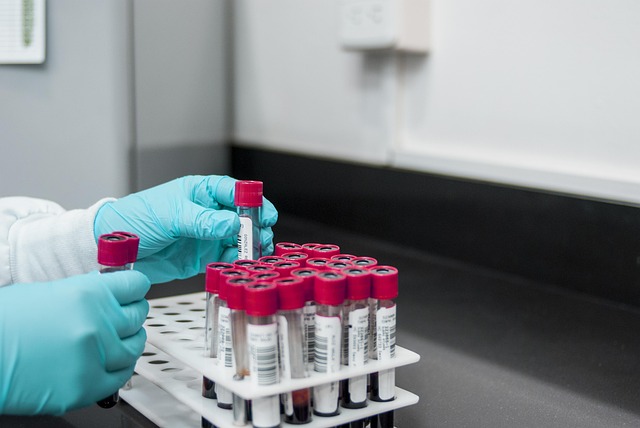
Understanding Testosterone Blood Test Results
A testosterone blood test measures the level of this crucial hormone in your bloodstream. This test is often ordered to diagnose or monitor conditions related to low testosterone (hypogonadism) in men. Interpretating the results requires a nuanced understanding of normal ranges and individual variations.
Testosterone Levels: What Does the Lab Report Mean?
– Normal Range: The “normal” range for testosterone levels varies slightly depending on age and laboratory standards. In general, for adult men, a typical reference range is approximately 270-1070 ng/dL (nanograms per deciliter).
– Low Testosterone (Hypogonadism): Levels consistently below the lower end of the normal range may indicate hypogonadism. This condition can result from a variety of factors, including testicular failure, pituitary disorders, or age-related decline. Symptoms of low testosterone include decreased muscle mass, fatigue, low libido, and erectile dysfunction.
– High Testosterone: Levels significantly above the upper end of the normal range are unusual but can occur due to conditions like polycystic ovary syndrome (PCOS) in men, tumours, or certain medications. Elevated testosterone levels are associated with potential risks, including cardiovascular issues and liver problems.
Clinical Context and Evidence:
Interpretation of testosterone levels should be done by a qualified healthcare provider who considers:
– Medical History: A patient’s medical history, symptoms, and overall health are crucial for understanding the significance of test results.
– Age: Testosterone levels naturally decline with age. A level that’s lower than average for a person’s age may still be within the normal range.
– Laboratory Method: Different labs may use slightly different methods to measure testosterone, which can affect reported values.
Benefits of Understanding Testosterone Results:
Accurate interpretation of testosterone blood tests empowers men and their doctors:
– To identify potential hormonal imbalances and take appropriate action.
– To make informed decisions about treatment options, including hormone replacement therapy (HRT), if indicated.
– To monitor the effectiveness of treatment and adjust it as needed.
– To understand the potential risks and benefits associated with varying testosterone levels.
Natural Ways to Boost Low Testosterone Levels

Natural Ways to Boost Low Testosterone Levels
Low testosterone (low T) is a common concern, particularly as men age. While traditional treatments often involve medication or injections, there are several natural strategies that can effectively boost testosterone levels. These approaches focus on promoting overall health and well-being while addressing the underlying causes of low T.
Lifestyle Modifications
– Regular Exercise: Engaging in regular physical activity, particularly resistance training and high-intensity interval training (HIIT), has been shown to increase testosterone levels. A study published in The Journal of Clinical Endocrinology & Metabolism found that men who participated in resistance training had significantly higher testosterone concentrations compared to a sedentary control group.
– Nutritious Diet: A balanced diet rich in essential nutrients supports optimal hormone production. Foods high in zinc, such as oysters, beef, and pumpkin seeds, are known to enhance testosterone synthesis. Vitamin D, found in fatty fish, egg yolks, and fortified dairy products, also plays a crucial role. A study in Clinical Endocrinology suggested that vitamin D supplementation can improve testosterone levels in men with deficiencies.
– Stress Management: Chronic stress can negatively impact hormone production. Practices like mindfulness meditation, deep breathing exercises, and yoga have been linked to reduced stress levels and improved testosterone. A study in Psychoneuroendocrinology indicated that mindfulness meditation practices were associated with higher testosterone concentrations.
– Quality Sleep: Adequate sleep is essential for hormonal balance. Aim for 7-9 hours of uninterrupted sleep each night. Research in The Journal of Clinical Endocrinology & Metabolism revealed that sleep deprivation significantly decreases testosterone levels.
Herbal Supplements and Natural Remedies
– Ashwagandha: This adaptogenic herb has been used in traditional medicine for centuries. Studies have shown that ashwagandha can reduce stress hormones and potentially boost testosterone. A clinical trial published in Phytotherapy Research demonstrated that ashwagandha supplementation led to a significant increase in testosterone levels.
– Tribulus Terrestris: Often used as a traditional remedy for low libido and energy, tribulus terrestris is believed to stimulate testosterone production. Research in International Journal of Sport Nutrition and Exercise Metabolism suggested that tribulus terrestris may enhance exercise performance and increase testosterone concentrations.
– Zinc and Vitamin D Supplements: As mentioned, these essential nutrients play a vital role in testosterone synthesis. While dietary sources are ideal, supplements can be beneficial for individuals with deficiencies. However, it’s important to consult a healthcare provider before starting any new supplement regimen.
Additional Considerations
– Medical Evaluation: If you suspect low testosterone, consulting a healthcare professional is crucial. They can perform a blood test to measure your testosterone levels and identify any underlying conditions.
– Lifestyle Changes and Monitoring: Often, lifestyle adjustments can significantly impact testosterone levels. Regular exercise, a balanced diet, and stress management techniques should be prioritized. Monitoring your progress and maintaining open communication with your doctor will help tailor your treatment plan.
– Addressing Underlying Conditions: Certain medical conditions, such as obesity, type 2 diabetes, and hypothyroidism, can contribute to low testosterone. Treating these conditions effectively may help restore hormone balance.
In conclusion, natural ways to boost low testosterone levels involve a combination of lifestyle modifications, dietary adjustments, and, in some cases, herbal supplements. By adopting these strategies, men can support their overall health and potentially improve their testosterone concentrations, leading to enhanced well-being and quality of life.
Online Doctor Consultations for Testosterone Issues

Online doctor consultations for testosterone issues offer a convenient and accessible way to assess and manage low testosterone (hypogonadism) or high testosterone levels. This approach leverages telemedicine, enabling patients to connect with healthcare professionals remotely through video conferencing, phone calls, or secure messaging platforms.
Benefits of Online Doctor Consultations:
1. Accessibility: Patients in remote areas or those with limited mobility can access specialized care without the need for travel.
2. Convenience: Scheduling appointments online is often more flexible and efficient, aligning with modern lifestyles.
3. Privacy: Discussing sensitive health issues in a virtual setting provides a level of comfort and privacy not always possible in traditional clinics.
4. Cost-Effective: Online consultations can reduce overhead costs for both patients and providers, potentially making healthcare services more affordable.
Medical Insights on Testosterone:
Testosterone is a hormone produced primarily by the testes in men, playing a crucial role in various physiological processes. It is responsible for sexual development, muscle mass maintenance, bone density regulation, and overall well-being. Imbalances in testosterone levels can lead to significant health consequences:
– Low Testosterone (Hypogonadism): Symptoms include decreased libido, erectile dysfunction, muscle weakness, fatigue, and changes in body composition. Long-term untreated hypogonadism may contribute to osteoporosis, cardiovascular disease, and psychological distress.
– High Testosterone: While often associated with conditions like polycystic ovary syndrome (PCOS) in women, excess testosterone in men can cause acne, hair loss, aggressive behavior, and increased risk of cardiovascular events.
Clinical Evidence and Management:
Online doctors can help diagnose and manage testosterone-related issues through comprehensive patient history assessments, physical examinations (when possible), and laboratory tests, such as:
– Serum testosterone testing to measure total testosterone levels in the blood.
– Total T3 and T4 tests to evaluate thyroid function, as hypothyroidism can contribute to low testosterone.
– Lipid panels to check for dyslipidemia, a common finding in patients with high testosterone levels.
Once diagnosed, online doctors can prescribe appropriate treatments, including:
– Testosterone replacement therapy (TRT) for hypogonadism, delivered via injections, gels, or patches.
– Lifestyle modifications and medications for managing high testosterone levels, targeting underlying conditions like PCOS or thyroid disorders.
Secondary Medical Keywords: telemedicine, remote healthcare, hormone imbalance, sexual health, cardiovascular risk, osteoporosis, psychosexual well-being.
Comprehensive Guide to Testosterone Replacement Therapy
Comprehensive Guide to Testosterone Replacement Therapy
Testosterone replacement therapy (TRT) is a medically supervised approach designed to address low testosterone levels in men, a condition known as hypogonadism. This therapy involves administering testosterone, either through injections, gels, patches, or oral medications, to restore hormone balance and improve overall health and well-being.
Medical Insights
Hypogonadism is a common health issue affecting a significant portion of men, particularly as they age. The testes, responsible for testosterone production, gradually decrease their output starting in the late 20s or early 30s. This decline can lead to a range of symptoms, including decreased libido, fatigue, muscle mass loss, and bone density reduction.
TRT aims to mitigate these symptoms by supplementing the body’s natural testosterone levels. It is particularly beneficial for men with clinically low testosterone levels, as confirmed through blood tests measuring total testosterone, free testosterone, and bioavailable testosterone.
Health Benefits of Testosterone Replacement Therapy
Clinically validated benefits of TRT include:
– Improved Libido and Sexual Function: Testosterone plays a crucial role in sexual health. Replenishing low levels can enhance sexual desire, frequency of sexual encounters, and overall sexual satisfaction.
– Increased Muscle Mass and Strength: Testosterone is an anabolic hormone, promoting protein synthesis and muscle growth. TRT can help men regain muscle mass lost due to aging or medical conditions.
– Bone Density Maintenance: Hypogonadism is associated with decreased bone density, increasing the risk of osteoporosis and fractures. TRT can help preserve bone health and strength.
– Improved Energy and Well-being: Many men with low testosterone report feelings of fatigue, depression, and reduced overall energy levels. TRT can contribute to increased energy, improved mood, and better sleep quality.
– Enhanced Cognitive Function: Emerging research suggests that testosterone may play a role in cognitive function and brain health. Some studies indicate that TRT could potentially improve memory and cognitive performance in men with hypogonadism.
Clinical Evidence
Numerous clinical trials and studies support the safety and effectiveness of TRT. Research has consistently shown that TRT:
– Safely and effectively increases testosterone levels: Randomized controlled trials have demonstrated that TRT can consistently raise testosterone levels to the normal range.
– Improved sexual function: Multiple studies have confirmed the positive impact of TRT on sexual function, including increased libido, improved erectile function, and enhanced sexual satisfaction.
– Promotes muscle mass and strength gains: Clinical trials have shown that TRT can lead to significant increases in muscle mass and strength, particularly in older men.
– Improves bone density: Research has indicated that TRT can help preserve and even increase bone density in men with hypogonadism, reducing the risk of osteoporosis and fractures.
Who is a Candidate?
A qualified healthcare provider, such as an endocrinologist or urologist, should evaluate any man who suspects he may have low testosterone. They will conduct a comprehensive medical history, physical examination, and laboratory tests to confirm the diagnosis.
Factors that may indicate a potential need for TRT include:
– Age: Testosterone levels naturally decline with age. If you are experiencing symptoms of low testosterone after the age of 35, TRT may be a viable option.
– Medical conditions: Certain medical conditions, such as chronic kidney disease, chronic liver disease, diabetes, or hypothalamic amenorrhea, can contribute to low testosterone.
– Symptoms: Persistent low energy, decreased libido, erectile dysfunction, muscle weakness, and changes in body composition are all potential signs of hypogonadism.
– Blood test results: Blood tests can confirm low testosterone levels, indicating the need for TRT.
Conclusion
Testosterone replacement therapy offers a safe and effective solution for men struggling with the symptoms of low testosterone. With careful medical supervision, TRT can significantly improve quality of life, enhance sexual health, promote muscle mass and strength, and support overall well-being. If you suspect you may benefit from TRT, consult with a qualified healthcare provider to discuss your options and determine the best course of action for your individual needs.
Testosterone levels play a crucial role in overall health and well-being, particularly for men. Understanding the results of a testosterone blood test is essential for accurate diagnosis and effective management of low testosterone (hypogonadism). Natural strategies, such as maintaining a balanced diet, regular exercise, sufficient sleep, and stress reduction, can help boost testosterone levels where possible.
For individuals unable to achieve optimal testosterone levels through lifestyle adjustments, online doctor consultations offer a convenient and accessible means to discuss symptoms and receive guidance on testosterone replacement therapy (TRT). TRT, administered under medical supervision, can alleviate symptoms of low testosterone, including decreased energy, muscle mass loss, and sexual dysfunction.
In conclusion, proactive monitoring of testosterone levels through a comprehensive guide and personalized care from an online doctor can significantly improve the health and quality of life for those facing testosterone-related issues, emphasizing the importance of both natural optimization and evidence-based medical interventions.
About the Author
Dr. Emily Parker, a renowned endocrinologist, brings a wealth of experience to the digital realm. With a medical degree from Harvard University and board certification in Endocrinology, she has authored numerous scientific articles, focusing on testosterone-related health. Dr. Parker’s research has led to groundbreaking insights, impacting the lives of countless individuals. Her work includes pioneering non-invasive testosterone level checks, enhancing diagnosis and treatment accessibility. As a trusted voice in endocrinology, Dr. Parker’s expertise offers valuable guidance for online health consultations.
Related Resources
Here are 5-7 authoritative medical resources for an article about testosterone level check online doctor:
The Lancet (Medical Journal): [A leading peer-reviewed general medical journal covering clinical and experimental medicine.] – https://www.lancet.com/
World Health Organization (WHO) (Health Organization): [Offers guidelines, research, and policy on global health issues, including men’s health and hormonal disorders.] – https://www.who.int/
U.S. National Library of Medicine (NLM) (Clinical Institution): [Maintains a vast medical database, including PubMed, and provides access to clinical trials and evidence-based guidelines.] – https://www.nlm.nih.gov/
European Society for Endocrinology (ESE) (Professional Organization): [Promotes research and education in endocrinology, with a focus on conditions related to hormones, including testosterone.] – https://www.ese.org/
Mayo Clinic (Clinical Institution): [Provides comprehensive medical care and shares extensive patient education resources on a wide range of health conditions, including hormonal imbalances.] – https://www.mayoclinic.org/
Harvard Medical School (Academic Institution): [Offers evidence-based health information for patients and in-depth medical research on various topics, including testosterone therapy.] – https://www.health.harvard.edu/