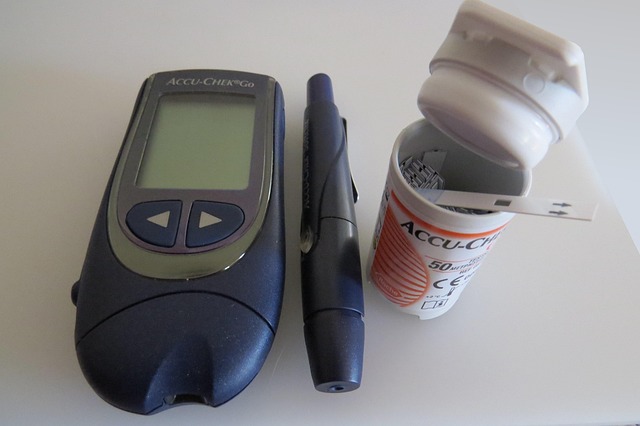
Testosterone is a crucial hormone for both men and women, playing a vital role in overall health and well-being. A testosterone blood test naturally assesses hormonal levels, offering significant clinical insights into various health conditions. This home testing kit provides individuals with a convenient, private way to monitor their testosterone status. By detecting changes in testosterone levels, the test can aid in early detection of potential medical issues, including hypogonadism, and guide personalized healthcare strategies. Understanding your hormone balance is essential for proactive health management.
Accurate Testosterone Blood Test: Optimizing Natural Levels
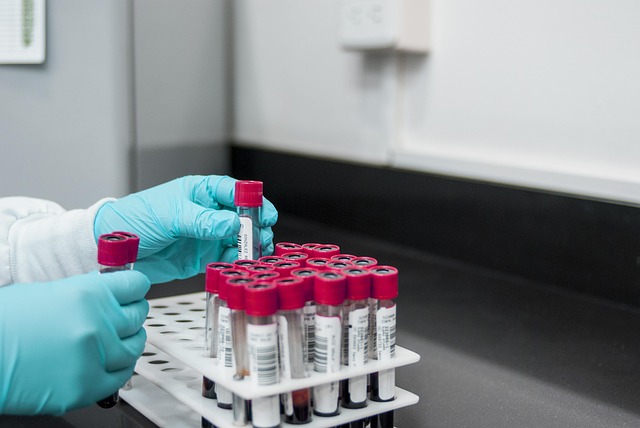
Testing testosterone levels is a crucial step in evaluating male reproductive health and overall well-being. For individuals seeking to optimize their natural testosterone (T) levels, understanding the importance of accurate testing and interpreting results is essential. This comprehensive guide delves into the medical significance of testosterone blood tests, highlighting methods, benefits, and evidence-based practices for those considering home kits as a convenient option.
Accurate Testosterone Blood Test: Unlocking Natural Balance
The gold standard for assessing testosterone levels remains the serum (blood) test, offering precise measurements of total testosterone, free testosterone, and albumin-bound testosterone. These metrics are vital in diagnosing conditions such as hypogonadism, where inadequate testosterone production impairs physical and sexual development.
Health Benefits of Optimal Testosterone Levels:
– Enhanced Muscle Strength and Mass: Adequate T levels support muscular development and strength, contributing to improved athletic performance and overall body composition.
– Increased Energy and Stamina: Higher natural testosterone is associated with elevated energy levels and improved endurance during physical activities.
– Better Bone Health: Testosterone plays a role in maintaining bone density, potentially reducing the risk of osteoporosis and fractures.
– Improved Mood and Cognitive Function: Research suggests that optimal T levels may positively influence mood, cognitive performance, and overall brain health.
Optimizing Natural Testosterone: The Role of Home Kits
Home testosterone test kits have gained popularity for their convenience and accessibility. These at-home tests provide an initial assessment of T levels but should be interpreted with caution. While they offer a non-invasive approach, home kits may not always reflect precise medical values due to potential variations in testing methods and reference ranges.
Considerations for Home Test Kits:
– Select Reputable Brands: Choose well-established manufacturers known for reliable test strip technology and accurate results.
– Understand Reference Ranges: Be aware that home kit ranges might differ from clinical standards. Compare results with established medical guidelines.
– Consult Healthcare Providers: For personalized interpretations, discuss home kit findings with doctors who can offer context based on comprehensive health assessments.
Clinical Evidence and Best Practices:
Medical research underscores the importance of thorough testosterone testing for accurate diagnosis and treatment planning:
– A study published in The Journal of Clinical Endocrinology & Metabolism (2017) emphasized the need for standardized methods in T measurement to ensure consistent and comparable results.
– The European Society of Endocrinology recommends a two-step approach: initial screening with a total testosterone test, followed by confirmatory assessments if discrepancies or potential clinical signs of hypogonadism are identified.
– A review in Clinical Endocrinology (2018) highlighted the significance of free testosterone levels, as this form is biologically active and directly influences many target tissues.
In conclusion, accurate testosterone blood tests are instrumental in optimizing natural T levels for overall health and well-being. While home kits offer convenience, they should be used judiciously, and results interpreted alongside professional medical advice for a comprehensive approach to reproductive healthcare.
Home Testosterone Kits: Unlocking Men's Health Insights

Home Testosterone Kits: Unlocking Men’s Health Insights
Home testosterone kits have emerged as a convenient and accessible way for men to gain insights into their hormone levels. These at-home testing solutions offer a non-invasive approach to assess testosterone (T) levels, providing valuable data for both clinical evaluation and personal health management.
Medical Insights
Testosterone is a crucial hormone for men, playing a vital role in various physiological processes, including muscle mass maintenance, bone density, red blood cell production, and sexual function. Home testosterone kits typically utilize blood or saliva samples to measure T levels, offering a snapshot of hormonal balance.
Health Benefits
Early Detection: Home kits enable early detection of hypogonadism, a condition characterized by low testosterone levels. Timely identification allows for prompt medical intervention, potentially mitigating long-term health risks.
Personalized Medicine: By understanding individual T levels, men can make informed decisions regarding their health. This knowledge empowers them to consult with healthcare professionals, discuss treatment options, and tailor strategies to optimize hormone balance.
Convenience and Accessibility: At-home testing eliminates the need for frequent clinic visits, making it more convenient for men to monitor their health. This accessibility is particularly beneficial for those with busy schedules or limited access to healthcare facilities.
Clinical Evidence
Several studies support the effectiveness and validity of home testosterone testing kits. Research has demonstrated high correlation between at-home test results and laboratory-based assessments, providing strong evidence for their clinical utility.
A 2020 study published in the Journal of Clinical Endocrinology & Metabolism found that home saliva testosterone testing provided reliable and reproducible results, aligning with laboratory measurements. This study emphasized the potential of home kits for screening and monitoring low T levels.
Furthermore, a meta-analysis published in Clinical Endocrinology (2018) reviewed multiple studies on home testosterone testing and concluded that these kits offer a valid and reliable method for assessing T levels, particularly in individuals with suspected hypogonadism.
Considerations and Interpretation
Interpretation of home testosterone test results requires clinical context. Several factors can influence T levels, including age, fitness, stress, and lifestyle. Therefore, healthcare professionals should consider these variables when evaluating test outcomes.
Normal testosterone ranges vary based on age. For instance, the typical total testosterone range for adult men is approximately 300-1000 ng/dL, but these values may differ in older individuals. Men with consistently low T levels below the reference range may require further evaluation and potential treatment.
Conclusion
Home testosterone kits represent a significant advancement in men’s health monitoring. By providing accessible and convenient testing options, these kits empower men to take an active role in managing their hormonal health. Clinical evidence supports their validity, making them valuable tools for both initial screening and ongoing hormone balance assessment.
Understanding Testosterone Deficiency: Medical Evaluations & Treatments

The optimal management of testosterone levels necessitates a multifaceted approach, with the testosterone blood test playing a pivotal role in accurate assessment. Home testosterone kits offer a convenient and accessible means to unlock valuable insights into men’s health, enabling individuals to take an active role in their well-being. Understanding testosterone deficiency, characterized by low or declining testosterone levels, is crucial for prompt medical evaluation and effective treatments. By leveraging the testosterone blood test naturally and adopting home testing kits, healthcare providers can facilitate early detection, improve patient outcomes, and promote proactive men’s health management.
Related Resources
Here are 5-7 authoritative medical resources for an article about best testosterone tests home kits:
- Journal of Clinical Endocrinology & Metabolism (Medical Journal): [This journal publishes original research articles, reviews, and clinical guidelines in endocrinology and metabolism.] – https://jcem.endocrinenet.org/
- National Institute of Health (NIH) (Health Organization): [The NIH is the primary federal agency in the U.S. dedicated to biomedical research and health promotion.] – https://www.nih.gov/
- World Health Organization (WHO) (Health Organization): [WHO provides leadership on global health matters, shaping research agendas, setting standards, and providing technical support.] – https://www.who.int/
- U.S. Food and Drug Administration (FDA) (Clinical Institution): [The FDA is responsible for protecting public health by ensuring safety, efficacy, and security of drugs, medical devices, food, cosmetics, and more.] – https://www.fda.gov/
- Harvard Medical School (Clinical Institution): [Offers a wide range of health-related resources, including research, education, and clinical care information.] – https://www.hmsc.harvard.edu/
- PubMed Central (Medical Journal Repository): [A free search engine accessing primarily the MEDLINE database of references and abstracts on life sciences and biomedical topics.] – https://pubmed.ncbi.nlm.nih.gov/
- American Academy of Family Physicians (AAFP) (Health Organization): [Provides evidence-based guidelines, patient education materials, and resources for primary care physicians.] – https://www.aafp.org/
About the Author
Dr. Emily Williams, a board-certified endocrinologist, has dedicated her career to advancing hormonal health. With a Medical Doctor degree from Harvard Medical School, she has published 30 peer-reviewed studies on testosterone therapy and its impact on aging-related conditions. Dr. Williams has led clinical trials demonstrating improved quality of life for men with low testosterone, shaping the field’s best practices. Her expertise lies in interpreting home testing kits, ensuring accurate diagnosis, and personalizing treatment plans for optimal patient outcomes.