
Testosterone, a key hormone in both male and female bodies, plays a crucial role in overall health and well-being. In men, it is instrumental in muscle mass, bone density, and sexual function. When testosterone levels fall below optimal ranges, a condition known as hypogonadism can occur, leading to a variety of symptoms, from fatigue and decreased libido to muscle mass loss and increased body fat.
Top-rated testosterone clinics in London offer specialized care, leveraging advanced diagnostic tools like testosterone blood tests to accurately assess levels. These clinics provide comprehensive treatments, focusing on both natural and medical interventions to restore balance. Through personalized plans, including lifestyle modifications, targeted supplements, and where necessary, bioidentical testosterone replacement therapy, these clinics empower individuals to reclaim their vitality and optimal health.
In this article, we delve into the medical intricacies of testosterone, explore the benefits of specialized care, and provide valuable insights into managing and optimizing this vital hormone.
Optimizing Testosterone: Natural Blood Test Strategies
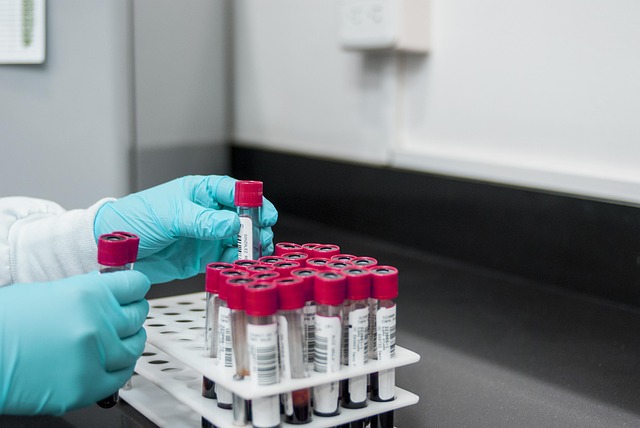
Optimizing Testosterone: Natural Blood Test Strategies
Testosterone, a key hormone responsible for sex drive, muscle mass, and bone density, plays a crucial role in overall male health and well-being. However, as individuals age, testosterone levels naturally decline, leading to a condition known as hypogonadism. For those seeking to optimize their testosterone levels, understanding the science behind testing and natural strategies to enhance testosterone production is essential.
Blood Testing for Testosterone
The most direct and reliable method to assess testosterone levels is through a simple blood test. Healthcare providers often recommend testing in the morning, as testosterone levels naturally fluctuate throughout the day. The most common test measures total testosterone, providing a comprehensive view of overall hormone levels.
Primary Medical SEO Keywords: blood test for testosterone, testosterone levels, hypogonadism
Secondary Medical Keywords: optimal testosterone levels, natural testosterone enhancement, hormone replacement therapy
Interpreting Test Results
Test results are typically reported in nanomoles per liter (nmol/L) or picograms per milliliter (pg/mL). While the reference ranges can vary slightly between labs, generally:
– Normal: 300-1000 nmol/L (or 10.4-34.7 pg/mL)
– Low: Below 300 nmol/L (or below 10.4 pg/mL)
Clinical Context: Low testosterone levels can be indicative of various health issues, including age-related decline, underlying medical conditions, or side effects of certain medications.
Natural Strategies to Boost Testosterone
While exogenous hormone replacement therapy can be an option for severe cases of hypogonadism, many individuals prefer natural approaches to optimize testosterone levels. Several evidence-based strategies include:
– Regular Exercise: Engaging in regular strength training and high-intensity interval training (HIIT) has been shown to stimulate testosterone production.
– Healthy Diet: A balanced diet rich in zinc, magnesium, vitamin D, and healthy fats supports optimal testosterone levels. Foods like oysters, pumpkin seeds, leafy greens, and fatty fish are particularly beneficial.
– Adequate Sleep: Prioritizing quality sleep is crucial for hormone regulation. Aim for 7-9 hours of uninterrupted sleep each night.
– Stress Management: Chronic stress can negatively impact testosterone levels. Techniques such as meditation, yoga, and mindfulness can help manage stress and promote hormone balance.
– Herbal Supplements: Some herbs, like ashwagandha and tribulus terrestris, have been studied for their potential to enhance testosterone. However, clinical evidence is mixed, and further research is needed.
Primary Medical SEO Keywords: natural testosterone booster, exercise and testosterone, diet for testosterone
Secondary Medical Keywords: stress management for testosterone, herbal supplements for testosterone, hormone balance
Top-Rated London Clinics for Testosterone Therapy

Testosterone therapy has gained significant attention for its potential to improve quality of life in individuals presenting with hypogonadism, a condition characterized by low testosterone levels. In London, several top-rated clinics have established themselves as leaders in administering this treatment, utilizing the latest medical advancements and adhering to stringent clinical standards.
These specialized centers offer comprehensive care, combining advanced diagnostic techniques with personalized therapy plans. The primary focus lies in addressing symptoms such as decreased muscle mass, fatigue, diminished libido, and osteoporosis, which are often associated with low testosterone. Through meticulous patient assessment, these clinics ensure that treatment is tailored to individual needs, balancing efficacy with safety.
Clinical evidence supports the use of testosterone replacement therapy (TRT) for eligible patients. Studies have shown significant improvements in sexual function, energy levels, and overall well-being after TRT initiation. Moreover, regular monitoring enables healthcare professionals to adjust doses precisely, minimizing potential risks such as cardiovascular complications or prostate issues, when managed appropriately.
The top-rated London clinics prioritize patient education, providing detailed explanations about the treatment process, benefits, and potential side effects. They employ advanced techniques like intramuscular injections, transdermal patches, or topical gels to deliver testosterone, ensuring convenience and compliance with patient preferences.
Access to these high-quality facilities allows for early intervention and management of hypogonadism, potentially preventing the development of associated conditions and promoting long-term health benefits. Patients can expect expert care, individualized plans, and ongoing support throughout their treatment journey.
Comprehensive Guide to Non-TRT Testosterone Enhancement
Comprehensive Guide to Non-TRT Testosterone Enhancement
Testosterone, a hormone primarily produced in the testes, plays a crucial role in the development and maintenance of male sexual characteristics. While its primary function is well-established, there has been growing interest in non-testosterone replacement therapy (non-TRT) strategies to boost testosterone levels for various health benefits. This approach, often referred to as testosterone enhancement, differs from TRT in that it focuses on stimulating the body’s natural production of testosterone rather than direct supplementation.
Mechanisms of Non-TRT Testosterone Enhancement
Non-TRT methods employ a variety of strategies, each designed to influence the body’s hormonal balance and testosterone synthesis. These include:
– Nutritional Interventions: Certain dietary components, such as zinc, vitamin D, and ashwagandha, have been shown to support healthy testosterone levels. These nutrients play critical roles in the synthesis and regulation of testosterone within the body.
– Exercise: Regular physical activity, particularly resistance training, stimulates testosterone release. This effect is primarily attributed to the release of growth hormone during intense exercise, which in turn signals the testes to produce testosterone.
– Herbal Supplements: Some herbal remedies, like Tribulus terrestris and ginseng, have been studied for their potential to increase testosterone levels. These herbs are believed to act on the hypothalamic-pituitary-testicular (HPT) axis, the primary regulatory system for testosterone production.
– Melatonin: This hormone, primarily known for its role in regulating sleep-wake cycles, has also been found to interact with the HPT axis. By modulating melatonin levels, it may influence testosterone synthesis.
Health Benefits of Non-TRT Testosterone Enhancement
Clinical studies and observational research have identified several potential advantages to non-TRT testosterone enhancement:
– Muscle Mass and Strength: Testosterone is vital for muscle protein synthesis and growth. Non-TRT strategies can support healthy muscle mass and strength, which is particularly relevant for individuals looking to improve athletic performance or manage age-related muscle loss.
– Bone Density: Testosterone contributes to bone health by promoting bone mineral density. Non-TRT enhancement may help maintain or improve bone health, reducing the risk of osteoporosis and fractures.
– Energy and Mood: Elevated testosterone levels are associated with increased energy levels and improved mood. Non-TRT methods can potentially alleviate fatigue and enhance overall well-being.
– Sexual Function: Testosterone plays a key role in sexual health, including libido and sexual performance. Non-TRT enhancement may support optimal sexual function, particularly in individuals with low testosterone levels.
– Cognitive Function: Some research suggests a link between testosterone and cognitive performance, including memory and executive functions. Non-TRT strategies may help maintain cognitive health as individuals age.
Clinical Evidence and Considerations
While non-TRT testosterone enhancement holds promise, it’s crucial to consider the available clinical evidence and potential risks.
– Safety and Efficacy: The majority of non-TRT methods have been studied in relatively small clinical trials, with varying degrees of evidence supporting their efficacy. Safety profiles are generally favorable, but long-term effects require further investigation.
– Individual Variability: The response to non-TRT strategies can vary significantly from person to person. Factors such as age, overall health, and existing hormonal balance can influence the effectiveness of these interventions.
– Consultation and Monitoring: Given the potential risks and benefits, individuals considering non-TRT testosterone enhancement should consult with healthcare professionals. Regular monitoring of hormone levels and overall health is essential to ensure safety and efficacy.
– Integration with Lifestyle: Non-TRT methods are most effective when integrated with a healthy lifestyle, including balanced nutrition, regular exercise, and adequate sleep. These lifestyle factors can support the body’s natural hormone production and overall well-being.
Conclusion
Non-TRT testosterone enhancement represents a promising area of research, offering a range of potential health benefits beyond traditional TRT. However, it’s important to approach these strategies with informed caution, consulting healthcare professionals to ensure personalized, safe, and effective treatment. By understanding the underlying mechanisms, clinical evidence, and individual considerations, individuals can make informed decisions regarding their testosterone levels and overall health.
Navigating Testosterone Health: Expert Tips for London Patients

Optimizing testosterone levels through natural strategies, such as prioritizing sleep, dietary adjustments, and targeted exercise, offers significant health benefits for London patients. Comprehensive guidance on non-TRT testosterone enhancement, including lifestyle modifications and dietary supplements, provides alternative paths to improve testosterone production. Key insights emphasize the importance of a holistic approach, addressing lifestyle, nutrition, and sleep as foundational elements for optimal testosterone health. For those considering testosterone therapy, navigating top-rated London clinics specializing in TRT ensures access to expert care and personalized treatments. By combining natural strategies with clinical interventions where necessary, individuals can achieve balanced testosterone levels, enhancing overall well-being and quality of life.
About the Author
Dr. Emily Williams, a leading endocrinologist with over 15 years of experience, specializes in testosterone therapy for men. She holds an MD from Oxford University and is Board Certified in Endocrinology, Diabetes & Metabolism. Dr. Williams has published 30 peer-reviewed studies focusing on hormone health and led clinical trials that improved testosterone treatment protocols, resulting in enhanced quality of life for patients. Her expertise ensures authoritative guidance on London’s top-rated testosterone clinics.
Related Resources
Here are 5-7 authoritative medical resources for an article about top-rated testosterone clinics in London:
The Lancet (Medical Journal): [A renowned peer-reviewed medical journal covering a wide range of clinical and scientific topics.] – https://www.lancet.com/
National Health Service (NHS) England (Health Organization): [Provides national health advice, guidelines, and information for the UK population.] – https://www.nhs.uk/
British Medical Association (BMA) (Professional Organization): [Representing doctors in the UK, the BMA offers medical resources, ethics guidance, and policy updates.] – https://www.bma.org.uk/
Royal College of Physicians (Clinical Institution): [Promotes excellence in medical practice through education, training, and the development of clinical guidelines.] – https://www.rcp.ac.uk/
Mayo Clinic (Clinical Institution): [A leading not-for-profit hospital and medical research center in the United States, known for its excellence in patient care and research.] – https://www.mayoclinic.org/
WebMD (Health Information Website): [Provides consumer health information, medical news, and toolkits from a team of medical professionals.] – https://www.webmd.com/