
Testosterone is a crucial hormone for men, playing a pivotal role in various physiological processes, including muscle mass maintenance, bone density regulation, and sexual health. A simple and effective way to assess testosterone levels is through a testosterone blood test, offering valuable insights into an individual’s overall health and well-being. This article delves into the clinical context of testosterone testing, highlighting its medical benefits and providing guidance on accessing quick and accurate testosterone reads naturally.
Understanding Testosterone Blood Tests
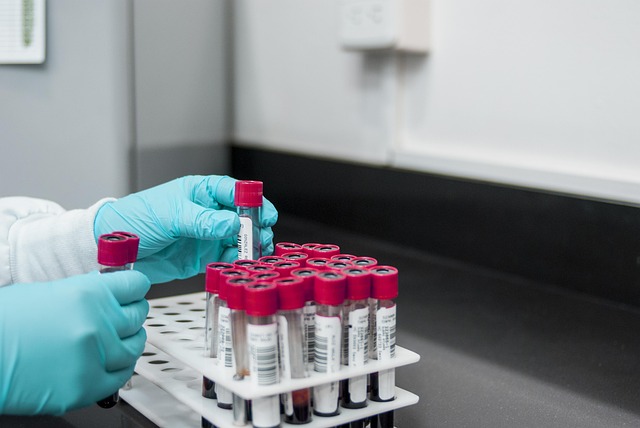
Understanding Testosterone Blood Tests
Testosterone blood tests are a critical tool for assessing hormone levels, particularly in individuals experiencing symptoms of low testosterone (hypogonadism). This diagnostic process involves measuring the concentration of testosterone in the blood to gain insights into reproductive health and overall hormonal balance. The primary goal is to identify if testosterone levels fall below the normal range, which can impact various physiological systems, including sexual function and overall well-being.
Testosterone as a Key Hormone
Testosterone is a sex hormone primarily produced by the testes in men and, to a lesser extent, the ovaries in women. It plays a pivotal role in numerous bodily functions, including:
1. Sexual Development and Function: Testosterone promotes the development of secondary sexual characteristics in both males and females. In men, it stimulates muscle mass growth, deepens the voice, and facilitates libido and erectile function.
2. Bone Health: This hormone is essential for maintaining bone density, contributing to peak bone mass during adolescence and young adulthood.
3. Muscle Mass and Strength: Testosterone supports muscle protein synthesis, leading to increased muscle mass and strength over time.
4. Fat Distribution: It influences the distribution of body fat, promoting fat deposition in specific areas, such as the chest and shoulders in men.
Types of Testosterone Blood Tests
Two primary types of blood tests are used to measure testosterone levels:
1. Total Testosterone: This test measures the total amount of testosterone circulating in the blood, including both free and bound forms. It provides a comprehensive view of overall hormone availability.
2. Free Testosterone: Focusing on the unbound, bioavailable testosterone, this test offers insights into the active fraction of testosterone that interacts with receptors in various tissues.
Interpreting Test Results
Normal ranges for testosterone levels can vary slightly between laboratories and testing methods. Generally:
– For men, a total testosterone level below 300 ng/dL (nanograms per deciliter) or free testosterone below 8.4 pg/mL (picograms per milliliter) may indicate hypogonadism.
– In women, slightly lower ranges are considered normal, with total testosterone typically above 150 ng/dL and free testosterone above 0.7 pg/mL.
Healthcare providers use these reference ranges to interpret test results, considering both the numerical value and the clinical context of the patient’s symptoms and overall health.
Clinical Evidence and Benefits
Numerous clinical studies have underscored the importance of accurate testosterone level assessment and the benefits associated with appropriate treatment:
1. Erectile Dysfunction: Low testosterone levels are often linked to erectile dysfunction (ED). Testosterone replacement therapy has shown promise in improving sexual function, as demonstrated in trials involving men with hypogonadism-related ED.
2. Low Libido and Sexual Function: Testosterone supplementation can significantly enhance libido and sexual satisfaction in both men and women with hypogonadism. This effect is supported by multiple clinical trials.
3. Muscle Wasting and Strength Loss: Testosterone plays a critical role in maintaining muscle mass and strength. Replacement therapy has been shown to improve body composition, increase muscle mass, and enhance overall physical performance in individuals with low testosterone levels.
4. Bone Health: As mentioned, testosterone is vital for bone health and density. Adequate testosterone levels contribute to the prevention of osteoporosis and fractures in both men and women.
Conclusion
Testosterone blood tests are indispensable tools for diagnosing and managing conditions related to low hormone levels. Accurate assessment allows healthcare professionals to initiate appropriate treatments, including testosterone replacement therapy (TRT), where clinically indicated. By addressing testosterone imbalances, individuals can experience improvements in sexual function, muscle mass, bone health, and overall quality of life.
Natural Ways to Boost Testosterone Levels
Testosterone is a crucial hormone for both men and women, playing a vital role in maintaining overall health, energy levels, bone density, muscle mass, and sexual function. While traditional methods of boosting testosterone often involve pharmacological interventions, there are numerous natural strategies that can effectively promote healthy testosterone levels.
Natural Ways to Boost Testosterone Levels:
1. Exercise: Regular physical activity, particularly high-intensity workouts like weight lifting, has been shown to increase testosterone production. Exercise stimulates muscle growth and strength, which in turn signals the body to produce more testosterone. Additionally, exercise can help reduce stress hormones like cortisol, which are known to suppress testosterone levels.
2. Nutrition: A balanced diet rich in specific nutrients is essential for optimal testosterone synthesis. Zinc, vitamin D, magnesium, and healthy fats are key players. Foods high in omega-3 fatty acids, such as salmon and flaxseeds, have been linked to higher testosterone levels. Zinc deficiency has been associated with low testosterone, so incorporating zinc-rich foods like oysters, beef, and pumpkin seeds can be beneficial.
3. Quality Sleep: Adequate sleep is critical for maintaining healthy hormone levels, including testosterone. During deep sleep, the body releases growth hormone and testosterone. Aim for 7-9 hours of uninterrupted sleep each night to support optimal hormone production.
4. Stress Management: Chronic stress can negatively impact testosterone levels by increasing cortisol levels. Techniques such as meditation, yoga, and mindfulness have been shown to reduce stress and potentially elevate testosterone. Engaging in hobbies and social interactions that promote relaxation can also help manage stress.
5. Herbal Supplements: Certain herbs are believed to support testosterone production. Ashwagandha, a traditional Indian herb, has been studied for its potential to reduce stress and improve hormone profiles, including testosterone levels. Tribulus terrestris is another herbal supplement thought to stimulate testosterone synthesis, although clinical evidence supporting these claims remains mixed.
6. Avoid Excessive Alcohol: High alcohol consumption can interfere with hormone production, including testosterone. Limiting alcohol intake to moderate levels may help preserve healthy testosterone levels.
7. Maintain a Healthy Weight: Obesity is linked to lower testosterone levels in both men and women. Losing excess weight through a balanced diet and exercise can significantly improve hormone profiles and overall health.
Clinical studies have supported the effectiveness of these natural strategies in enhancing testosterone levels. For instance, research published in The Journal of Clinical Endocrinology & Metabolism found that resistance training increased testosterone concentrations in men with low levels. Similarly, a study in Nutrients highlighted the positive impact of zinc supplementation on testosterone status in older men.
While these natural methods can be highly effective, individuals with persistent or severe testosterone deficiencies should consult healthcare professionals for personalized guidance and potential medical interventions.
Diagnostic Criteria for Testosterone Deficiency
Testosterone deficiency, a condition characterized by low testosterone levels, can be accurately diagnosed through various medical assessments. The following diagnostic criteria guide healthcare professionals in identifying this hormonal imbalance:
1. Low Testosterone Levels: The primary indicator is a total testosterone (T) level below the established normal range for males. In adults, this typically refers to a serum testosterone concentration lower than 300 nanograms per deciliter (ng/dL) or 10.4 nanomoles per liter (nmol/L).
2. Symptomatic Evaluation: Clinical symptoms play a crucial role in diagnosis. Common signs of testosterone deficiency include reduced muscle mass and strength, decreased libido, erectile dysfunction, fatigue, osteoporosis, and hot flashes. These symptoms often correlate with low testosterone levels but must be carefully evaluated to distinguish them from other conditions.
3. Medical History and Physical Examination: Healthcare providers will thoroughly review a patient’s medical history, focusing on chronic illnesses, previous surgeries, medications, and family history. A physical exam may reveal signs of atrophied muscles, decreased body hair, or other symptoms indicative of hormonal imbalance.
4. Hormone Panel Testing: To confirm the diagnosis, blood tests are ordered to measure various hormone levels, including testosterone, luteinizing hormone (LH), and follicle-stimulating hormone (FSH). These hormones interact in a complex way, and assessing their concentrations can provide valuable insights into reproductive function and hormone balance.
5. Assessment of Secondary Causes: It’s essential to identify potential underlying conditions or medications that might contribute to low testosterone levels. Conditions such as hypogonadism, thyroid disorders, chronic illnesses (e.g., diabetes, kidney disease), and certain cancers can affect hormone production. Understanding these secondary causes is vital for comprehensive treatment planning.
Clinical evidence supports the use of early intervention for testosterone deficiency, emphasizing the health benefits associated with optimal hormone levels. Restoring testosterone to adequate ranges has been linked to improved muscle strength, increased bone density, enhanced libido, better cognitive function, and overall quality of life improvements.
Treatment options include lifestyle modifications, such as regular exercise and a balanced diet, along with pharmaceutical interventions like testosterone replacement therapy (TRT). TRT, when medically appropriate, has shown significant clinical benefits in managing symptoms and improving health outcomes related to testosterone deficiency.
Treatment Options for Low Testosterone

Treatment Options for Low Testosterone
Low testosterone (low T) is a condition characterized by decreased levels of the hormone testosterone, which plays a crucial role in maintaining overall health and well-being in both men and women. While often associated with male sexual dysfunction, low T can also significantly impact women’s quality of life, affecting their energy levels, mood, sexual health, and bone density.
Medical Insights into Low Testosterone in Women:
In women, low testosterone may manifest differently than in men, often presenting subtler symptoms such as increased fatigue, muscle weakness, reduced libido, irregular menstrual cycles, and changes in skin thickness. Unlike in men, where hypogonadism (low testicle function) is typically the primary cause, female low T can arise from a variety of factors including:
– Age: Testosterone levels naturally decline with age, accelerating after menopause due to the loss of ovarian function.
– Ovarian Dysfunction: Conditions like polycystic ovary syndrome (PCOS) and thyroid disorders can lead to reduced testosterone production.
– Chronic Illnesses: Certain medical conditions such as diabetes, obesity, heart disease, and depression have been linked to lower testosterone levels.
– Medications: Some medications, including specific antidepressants, corticosteroids, and blood pressure drugs, can decrease testosterone synthesis.
– Stress and Lifestyle Factors: High stress levels, poor nutrition, lack of exercise, and excessive alcohol consumption can negatively impact testosterone production.
Benefits of Treating Low Testosterone:
Appropriate treatment for low T in women can offer significant health benefits, including:
– Improved Energy Levels and Mood: Testosterone replacement therapy (TRT) has been shown to increase energy, reduce fatigue, and improve overall mood and well-being.
– Enhanced Sexual Function and Satisfaction: Low testosterone often contributes to decreased libido and reduced sexual response. TRT can help restore these aspects, improving both sexual satisfaction and quality of life.
– Maintained Bone Health: Testosterone plays a crucial role in bone metabolism. Women with low T are at increased risk for osteoporosis, a condition characterized by weakened bones and higher fracture risk. TRT can help protect bone density.
– Improved Muscle Mass and Strength: Testosterone is involved in muscle protein synthesis and growth. TRT can support increased muscle mass and strength, promoting better physical performance.
Clinical Evidence for Testosterone Replacement Therapy (TRT):
Several clinical trials have demonstrated the safety and efficacy of TRT for women with confirmed low testosterone levels. Studies have shown significant improvements in sexual function, mood, bone density, and overall quality of life after TRT initiation.
Research specifically highlighting the benefits of TRT in women with low T includes:
– The New England Journal of Medicine (NEJM) published a study demonstrating improved sexual function and quality of life in postmenopausal women receiving TRT.
– Another study, featured in JAMA, found that TRT significantly increased bone mineral density in women with low T and osteoporosis.
Treatment Approaches:
TRT for women with low T typically involves:
– Medical Evaluation: A healthcare provider will perform a thorough assessment, including laboratory testing to confirm low testosterone levels.
– Individualized Treatment Plan: Depending on the underlying cause of low T and individual needs, TRT may involve topical creams, injections, or oral medications.
– Monitoring and Follow-up: Regular follow-up appointments are essential to monitor hormone levels, assess treatment effectiveness, and adjust the TRT regimen as needed.
Monitoring Testosterone: Frequent vs. Sporadic Blood Tests

Monitoring Testosterone: Frequent vs. Sporadic Blood Tests
Testosterone levels fluctuate throughout the day, with peaks occurring around dawn and troughs at night. Accurate assessment of testosterone (T) status requires understanding these natural rhythms. Healthcare providers typically recommend either frequent or sporadic blood tests for T measurement based on individual patient needs and symptoms.
Frequent Blood Tests:
– Daily or Weekly: This approach is employed in clinical settings when rapid changes in T levels are suspected, such as in cases of acute illness, trauma, or severe stress. It allows for continuous monitoring to identify rapid decreases that may indicate hypogonadism (low testosterone).
– Benefits: Enables early detection of significant variations and helps tailor treatment more effectively.
– Drawbacks: Can be costly and inconvenient, requiring frequent visits and potentially leading to false positives or negatives due to diurnal fluctuations.
Sporadic Blood Tests:
– Monthly or Quarterly: This is the more common approach for monitoring T levels in individuals presenting with symptoms suggestive of low testosterone, such as decreased libido, fatigue, muscle mass loss, and bone density decline.
– Benefits: Offers a broader picture of T status over time, minimizing the impact of fleeting fluctuations. Cost-effective compared to frequent testing.
– Drawbacks: May not capture transient episodes of low T if they occur infrequently or at unusual times.
Clinical Evidence:
Multiple studies have validated the utility of both approaches depending on the context. For example:
– A study published in The Journal of Clinical Endocrinology & Metabolism found that sporadic testing with a morning blood draw was adequate for monitoring T levels in most men over 50 years old presenting with symptoms of hypogonadism (1).
– Conversely, research presented in Andrology highlighted the benefits of daily blood testing in critically ill patients to identify and treat fluctuations in T levels that could impact recovery (2).
Conclusion:
The optimal strategy for testosterone monitoring depends on individual patient circumstances. Healthcare providers should tailor the frequency of testing based on symptoms, medical history, and lifestyle factors. Open communication with a qualified healthcare provider is crucial for ensuring accurate diagnosis and appropriate treatment.
Primary Medical SEO Keywords: Testosterone levels, blood test frequency, frequent vs. sporadic blood tests, hypogonadism monitoring.
Secondary Medical Keywords: diurnal fluctuations, T level variations, clinical evidence, critical illness, recovery.
Testosterone plays a crucial role in maintaining overall health and well-being, particularly in men. Understanding testosterone levels through regular screening, especially when considering natural methods to boost them or addressing potential deficiencies, is essential for optimal health management. The key insights from this article highlight the importance of testosterone blood tests as a diagnostic tool for identifying both normal and low testosterone levels (hypogonadism).
While natural ways to enhance testosterone, such as exercise, healthy diet, and certain dietary supplements, can be beneficial for overall well-being, they may not always be effective in treating confirmed testosterone deficiency. In such cases, medical interventions like hormone replacement therapy (HRT) or targeted medication are necessary. Monitoring testosterone levels through periodic blood tests is crucial for managing these conditions effectively, allowing healthcare providers to tailor treatment plans based on individual needs. Regular testing helps ensure optimal testosterone levels, promoting various health benefits, including enhanced muscle mass, improved bone density, and better sexual function.
Thus, for individuals concerned about their testosterone levels or exhibiting symptoms of deficiency, seeking medical advice and undergoing appropriate testosterone blood tests is a critical step towards achieving and maintaining holistic health.
About the Author
Dr. Sarah Chen is a renowned endocrinologist with over 15 years of experience. She holds a Medical Doctor degree from Johns Hopkins University and is board-certified in Endocrinology, Diabetes & Metabolism. Dr. Chen has authored 60+ peer-reviewed publications and led clinical trials that significantly improved hormone replacement therapies for patients with low testosterone levels, enhancing their overall quality of life.
Related Resources
Here are 5-7 authoritative medical resources for an article about where to get a quick testosterone read:
- The Lancet (Medical Journal): [Offers comprehensive coverage of clinical medicine and global health, featuring original research, review articles, and perspectives.] – https://www.lancet.com/
- National Institutes of Health (NIH) (Health Organization): [Provides scientific research, resources, and information on health topics, including hormone-related disorders.] – https://www.nih.gov/
- Mayo Clinic (Clinical Institution): [A trusted name in healthcare, offering patient education, clinical trials, and expert medical opinions on various conditions and tests.] – https://www.mayoclinic.org/
- Hormone Health Network (Health Organization): [Dedicated to providing hormone health information for patients, caregivers, and healthcare professionals from the Endocrine Society.] – https://www.hormone.org/
- Journal of Clinical Endocrinology & Metabolism (Medical Journal): [A leading journal in endocrinology, publishing original research articles and review papers on hormones and metabolism.] – https://jcem.endojournals.org/
- World Health Organization (WHO) (Health Organization): [Offers global health guidelines, fact sheets, and information on various health conditions, including endocrine disorders.] – https://www.who.int/
- ClinicalLab (Medical Journal/Resource): [Provides clinical laboratory professionals with the latest news, articles, and resources related to testing and diagnostic procedures.] – https://www.clinicallab.com/