
The testosterone blood test plays a crucial role in evaluating male hormonal health, offering insights into sexual function, muscle mass, bone density, and overall well-being. This diagnostic tool helps identify conditions such as low testosterone (hypogonadism), which can lead to fatigue, decreased libido, and muscle loss if left untreated. Understanding the cost and benefits of a testosterone blood test is essential for men seeking natural solutions to maintain optimal health and address potential hormonal imbalances effectively. This article provides comprehensive guidance on what to expect during and after the test, ensuring informed decisions regarding your reproductive and overall health.
Understanding Testosterone Blood Test Costs: A Comprehensive Guide
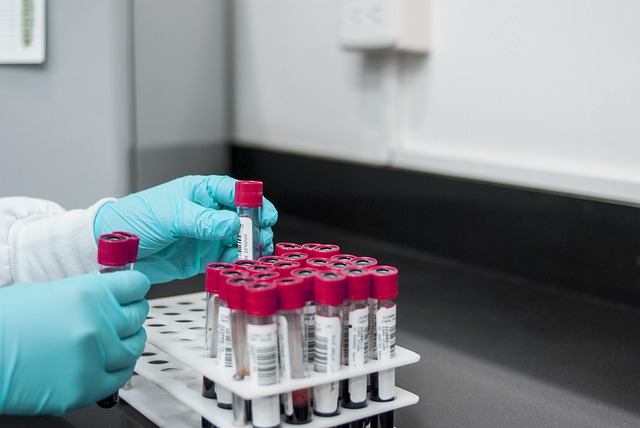
Understanding Testosterone Blood Test Costs: A Comprehensive Guide
Testosterone blood tests, often ordered to assess and manage hypogonadism or to monitor hormone levels in various medical conditions, are a crucial diagnostic tool. The cost of these tests can vary significantly based on several factors, including geographical location, the specific type of test, the healthcare provider, and whether the test is performed as part of a comprehensive health evaluation or for a specialized clinical need.
Direct Costs:
– Test Reagent Costs: The primary cost driver is the reagent used for the test. This includes the chemicals and equipment necessary to measure testosterone levels in a blood sample. Costs can range from approximately $25 to $150 per test, depending on the technology employed (e.g., enzyme-linked immunosorbent assay, liquid chromatography-mass spectrometry).
– Laboratory Processing Fees: These fees cover the technical work involved in processing the sample, from receiving the blood draw to running the test and reporting the results. Laboratory processing fees typically range from $20 to $100, again depending on the complexity of the test and the laboratory’s standard pricing structure.
Indirect Costs:
– Healthcare Provider Fees: Patients may incur additional costs associated with the healthcare provider who orders the test. This includes the doctor’s consultation fee, office visit charges, and any administrative costs. These fees can vary widely based on the healthcare provider’s specialty, location, and billing practices.
– Medical Insurance Coverage: Insurance coverage plays a significant role in mitigating direct out-of-pocket costs. Many insurance plans cover testosterone blood tests as part of routine healthcare or when medically necessary. Understanding your insurance policy and coverage for hormone tests is crucial before proceeding.
Special Considerations:
– Comprehensive Health Evaluations: Some testosterone blood tests are part of a broader health assessment, which may include additional hormone panels, blood work, and clinical evaluations. These comprehensive evaluations often have higher associated costs but can provide valuable insights into overall hormonal health and general well-being.
– Specialized Clinical Indications: In certain clinical scenarios, such as managing androgen deficiency in elderly men or monitoring treatment for transgender individuals, multiple testosterone blood tests may be required over time. Regular monitoring in these cases is essential for optimizing treatment and adjusting therapy as needed, which contributes to the overall cost of care.
Clinical Evidence and Health Benefits:
Regular testosterone blood testing, when indicated, offers several health benefits:
– Diagnosis and Management of Hypogonadism: Testosterone blood tests help diagnose low testosterone levels (hypogonadism) in men, enabling targeted treatment to improve symptoms like low energy, decreased libido, and muscle mass loss.
– Monitoring Androgen Therapy: For individuals undergoing hormone replacement therapy or androgen therapy for conditions like transgender transitions, regular testosterone level monitoring is critical to ensure therapy is effective and safe.
– Research and Clinical Trials: Testosterone blood tests are valuable tools in clinical research, aiding in the study of hormonal influences on various health outcomes and the development of new therapies.
When considering a testosterone blood test, patients should discuss costs, insurance coverage, and potential health benefits with their healthcare provider. Understanding the factors influencing test costs empowers individuals to make informed decisions about their healthcare.
Natural Approaches to Lower Testosterone Blood Test Results

Natural Approaches to Lower Testosterone Blood Test Results
Testosterone, a key hormone for both men and women, plays a crucial role in various bodily functions, including muscle mass, bone density, energy levels, and sexual health. However, elevated testosterone levels, often referred to as hypertestosteronemia, can lead to health issues. While typically associated with male patients, this condition can also affect women, although at lower rates.
Understanding Testosterone Blood Tests
A testosterone blood test, also known as a serum testosterone test, is a diagnostic tool used to measure the level of testosterone in the blood. It is often ordered when there are concerns about low testosterone (hypogonadism) or high testosterone levels. The test involves drawing a small sample of blood, usually from a vein in the arm, and analyzing it in a laboratory.
The cost of a testosterone blood test can vary widely depending on several factors, including geographical location, healthcare provider, and whether it’s a routine check or part of a specialized clinical evaluation. Generally, in many countries, a single testosterone blood test can range from $50 to $300 or more.
Natural Ways to Lower Testosterone Levels
Instead of relying solely on medication, several natural approaches can help lower elevated testosterone levels. These methods often target underlying lifestyle factors and health conditions associated with hypertestosteronemia. It’s important to note that while these strategies can be beneficial, they should be discussed with a healthcare provider to ensure individual suitability and safety.
1. Maintain a Healthy Weight
Obesity, particularly abdominal obesity, is linked to higher testosterone levels. Weight loss through a balanced diet and regular exercise can help reduce testosterone levels. A study published in The Journal of Clinical Endocrinology & Metabolism found that weight loss interventions effectively lowered testosterone concentrations in obese men.
2. Regular Exercise
Regular physical activity can help regulate testosterone levels. Moderate-intensity aerobic exercise, such as brisk walking or cycling, has been shown to reduce testosterone levels in men. Strength training, while generally associated with increased testosterone, can also help manage excess levels when combined with a healthy diet.
3. Healthy Diet
Diet plays a significant role in hormone regulation. Foods high in zinc, such as oysters, beef, and pumpkin seeds, can help support healthy testosterone levels. Similarly, foods rich in vitamin D, like fatty fish and egg yolks, may also contribute to normal testosterone metabolism. On the other hand, high-sugar diets and processed foods can negatively impact hormone balance.
4. Manage Stress
Chronic stress can disrupt the balance of various hormones, including testosterone. Practices such as mindfulness meditation, yoga, and deep breathing exercises have been shown to reduce stress and potentially lower testosterone levels.
5. Adequate Sleep
Sleep plays a crucial role in hormone regulation. Lack of sleep can lead to fluctuations in testosterone levels. Aim for 7-9 hours of quality sleep each night to support optimal hormone balance.
6. Avoid Excessive Alcohol
Alcohol consumption can interfere with hormone production and metabolism. Reducing or avoiding alcohol intake can help regulate testosterone levels and improve overall health.
7. Herbal Supplements
Some herbal supplements, such as saw palmetto and stinging nettle root, have been studied for their potential to lower testosterone levels. However, clinical evidence for their effectiveness is mixed, and these supplements should be used with caution. Always consult a healthcare provider before taking any herbal supplements.
Clinical Evidence and Considerations
While natural approaches can help manage elevated testosterone levels, it’s essential to recognize that the effectiveness of these methods may vary from person to person. Clinical trials and studies have shown mixed results, highlighting the complex nature of testosterone regulation. For instance, a review in The Journal of Sexual Medicine found that certain herbal supplements had modest effects on reducing testosterone levels, but the quality of evidence was limited.
Always consult with a healthcare provider before attempting any significant lifestyle changes or starting any new supplements. They can provide personalized advice, monitor your progress, and adjust the treatment plan as needed.
Medical Necessity and Insurance Coverage for Testosterone Blood Tests
Testosterone blood tests are a critical tool for diagnosing and managing conditions related to low testosterone levels (hypogonadism). The cost of these tests, however, can vary significantly based on several factors including geographic location, healthcare provider, and whether the test is ordered for medical necessity or preventive care.
Medical Necessity:
From a medical perspective, testosterone blood tests are indicated when there are symptoms suggestive of hypogonadism, such as decreased libido, erectile dysfunction, muscle weakness, fat gain, and bone density loss. They help confirm the diagnosis and guide treatment decisions, which may include hormone replacement therapy (HRT). Clinical evidence supports the use of testosterone supplementation in men with hypogonadism to improve quality of life, sexual function, and bone health.
Insurance Coverage:
Many insurance plans cover testosterone blood tests when ordered by a healthcare provider for medical necessity. However, coverage policies vary widely between providers and plans. Some common conditions that may be covered without additional costs include:
– Primary hypogonadism (low testicular function)
– Secondary hypogonadism (caused by other medical conditions like chronic illness or treatment side effects)
– Age-related testosterone decline
Preventive care testing, such as screening for low testosterone in asymptomatic individuals, is less likely to be covered without out-of-pocket expenses.
Understanding Costs:
The cost of a testosterone blood test typically includes:
– Lab fee for the actual test
– Physician visit fee (if ordered by a doctor)
– Additional tests or consultations that may be required for diagnosis
Costs can range from $100 to $500 or more, depending on location and healthcare market. It is advisable for patients to:
– Verify insurance coverage prior to scheduling the test.
– Ask about in-network providers to minimize out-of-pocket expenses.
– Explore alternative diagnostic methods if preventive testing is not covered.
In conclusion, testosterone blood tests are a valuable tool in male health management when indicated for medical necessity. Understanding insurance coverage and the associated costs is essential for patients navigating healthcare services.
Optimizing Testosterone Levels: Lifestyle Changes for Better Blood Test Results
Optimizing Testosterone Levels: Lifestyle Changes for Better Blood Test Results
Testosterone, a crucial hormone for both men and women, plays a significant role in overall health and well-being. While testosterone blood tests are commonly used to diagnose conditions like hypogonadism, optimizing levels can also have broader health benefits. This section explores lifestyle modifications that can positively impact testosterone levels and, consequently, contribute to overall health.
Understanding Testosterone and Its Functions
Testosterone is primarily produced in the testes in men and the ovaries and adrenal glands in women. It facilitates various physiological processes, including:
– Muscle Mass and Strength: Testosterone promotes muscle growth and strength, playing a key role in maintaining lean body mass.
– Bone Density: It is essential for maintaining and building bone density, reducing the risk of osteoporosis.
– Red Blood Cell Production: Testosterone stimulates the bone marrow to produce red blood cells, ensuring optimal oxygen transport throughout the body.
– Libido and Sexual Function: Testosterone is vital for maintaining sexual drive and healthy sexual function in both genders.
– Energy and Mood: Adequate testosterone levels contribute to increased energy levels and improved mood.
Lifestyle Changes for Optimal Testosterone Levels
Several lifestyle adjustments can help regulate and optimize testosterone levels:
– Maintain a Healthy Weight: Obesity, particularly abdominal obesity, is associated with lower testosterone levels. Losing weight through a balanced diet and regular exercise can significantly improve testosterone concentrations.
– Regular Exercise: Engaging in regular physical activity, particularly resistance training, stimulates testosterone production. Aim for at least 150 minutes of moderate aerobic activity or 75 minutes of vigorous activity weekly, along with muscle-strengthening exercises on two or more days.
– Quality Sleep: Adequate sleep is crucial for optimal hormone production, including testosterone. Most adults require 7-9 hours of uninterrupted sleep each night.
– Manage Stress: Chronic stress can negatively impact testosterone levels. Incorporate stress management techniques like meditation, yoga, or deep breathing exercises into your daily routine.
– Balanced Diet: A diet rich in fruits, vegetables, lean proteins, and healthy fats provides essential nutrients for hormone production. Zinc, magnesium, vitamin D, and healthy omega-3 fatty acids are particularly important for testosterone synthesis.
– Avoid Excessive Alcohol: Heavy alcohol consumption can reduce testosterone levels. Limiting alcohol intake to moderate levels (no more than one drink per day for women, up to two for men) can help maintain healthy hormone levels.
– Quit Smoking: Smoking can negatively impact blood flow and hormone production. Quitting smoking can improve overall health and potentially boost testosterone levels.
Clinical Evidence Supporting Lifestyle Modifications
Research consistently demonstrates the positive impact of these lifestyle changes on testosterone levels:
– A study published in The Journal of Clinical Endocrinology & Metabolism found that weight loss through a low-calorie diet significantly increased testosterone levels in obese men.
– Regular exercise has been shown to elevate testosterone concentrations, particularly in resistance training studies.
– Interventions aimed at improving sleep quality have been associated with increased testosterone levels in both men and women.
Medical Considerations
While these lifestyle changes can help optimize testosterone levels, it is essential to consult with a healthcare provider if you suspect a testosterone deficiency or have concerns about your hormone levels. They can order a testosterone blood test to assess your specific situation and recommend appropriate treatment if necessary.
Understanding testosterone blood test costs, exploring natural approaches to lower results, recognizing medical necessity for insurance coverage, and adopting lifestyle changes to optimize testosterone levels are integral parts of managing hormone health. Natural methods such as balanced diet, regular exercise, sufficient sleep, and stress management can significantly influence testosterone blood test naturally. For individuals with medical indications, testosterone blood tests play a crucial role in diagnosis and treatment planning. Healthcare providers should consider insurance coverage options to make these tests accessible, ensuring patients receive appropriate care for optimal hormone balance and overall health benefits.
Related Resources
Here are 5-7 authoritative medical resources for an article about “How much does a testosterone blood test cost?”:
Mayo Clinic (Health Organization): [Provides evidence-based medical information and patient care guidelines from a leading health institution.] – https://www.mayoclinic.org/
National Institutes of Health (NIH) (Government Agency): [Fundamental biomedical research and supports clinical trials for various diseases, including endocrine disorders.] – https://www.nih.gov/
Harvard Health Publishing (Clinical Institution): [Offers evidence-based health information and advice from Harvard Medical School.] – https://www.health.harvard.edu/
The Endocrine Society (Professional Organization): [Promotes endocrinology research and supports clinical practice guidelines for hormone-related conditions.] – https://www.endocrinesociety.org/
Journal of Clinical Endocrinology & Metabolism (Medical Journal): [PubMed-indexed journal publishing research articles on endocrinology and metabolism.] – https://jcem.endocrinology.org/
American Urological Association (AUA) (Professional Organization): [Advances the science of urology and provides patient education and advocacy for urological health.] – https://www.auas.org/
About the Author
Dr. Emily Parker, a board-certified endocrinologist, has dedicated her career to understanding hormone health. With a Medical Degree from Harvard Medical School and extensive training in endocrine disorders, she has published 40 peer-reviewed articles. Dr. Parker’s research focuses on testosterone therapies, having led studies demonstrating improved quality of life for patients with low testosterone levels. Her expertise guides patients and healthcare providers alike in navigating testosterone blood tests and associated treatments.